Two Fridays ago, I unlocked a post-surgery milestone — I walked a 5k loop I’ve run many times before. I was surprised that I didn’t feel left out because I couldn’t join the evening runners who were out on the same route. Rather, I was enjoying the movement and that I wasn’t thinking about the effort. For a moment I could pretend that I’m not still waiting on my pathology results and my first post-op follow up appointment with my surgeon.
It’s been three weeks since surgery, and except for the restrictions that I’m mindful of, I feel like myself again. Well, maybe myself who still favors a full 8 hours sleep — usually composed of an afternoon/evening nap, and then six hours of sleep in my bed. But otherwise, my daily schedule is remarkably close to what I was doing before.
The challenge of that first 5k loop was as much about the distance as it was about climbing my hill a couple of times and seeing how my legs felt after. The good news is that it felt surprisingly fine, and I woke up Saturday with that pleasantly uncomfortable DOMS sensation that meant I had worked my hamstrings but not overdone it. To balance it out, I took Saturday and Sunday both as rest days, conscious that I didn’t want to push my luck.
When the temperatures climbed into the teens (mid-50s if you are reading this in the US) last week I found myself mapping routes on the mountain and wondering whether that much climb would feel OK too? Instead, I settled for a flatter version and took myself to one of the small parks that Montréal is strewn with.
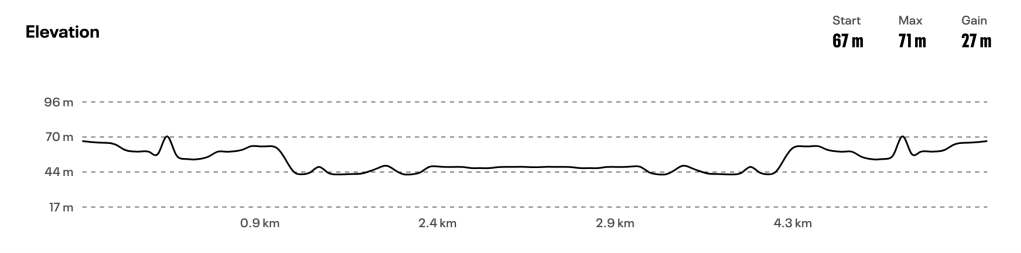
The advantage of living at the foot of the mountain is that any east/west route is pretty flat, save navigating my hill as the last leg to get home. Like the first Friday 5k, I ended up not walking Saturday or Sunday either. There’s a balance to be found and I’m trying to be body aware while I strive to keep my base intact and let myself recover from surgery.
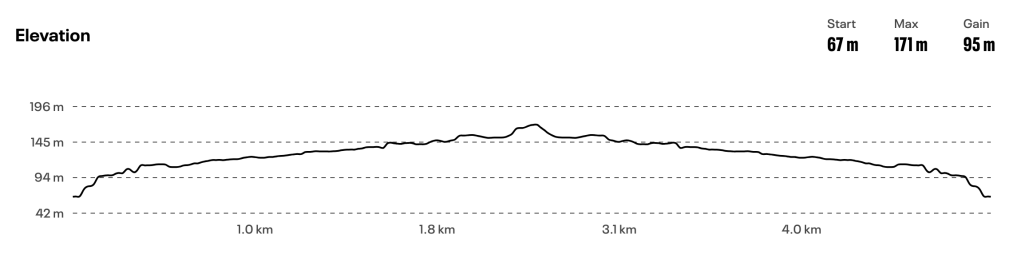
Today, our weather was promising that spring is around the corner and I tackled my first 5k on the mountain. It was to mark the fourth annual Running on Native Lands, “a Rising Hearts program that aims to make land acknowledgements at trail AND road race events a common and inclusive practice and encourages those who become a partner to go the extra mile by giving back to the communities which the land is borrowed from.” I walked, glad to contribute to this initiative that reconnects all runners with the history of the trails we enjoy and celebrates the resilience of the indigenous communities that are the original stewards of these lands.
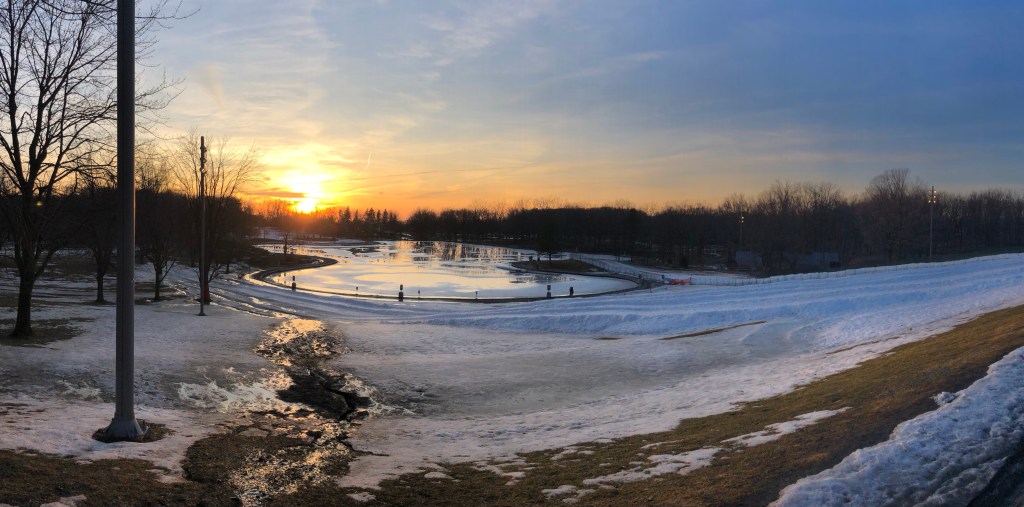
As a bonus, I was rewarded with a stunning sunset at Beaver Lake — the turnaround point of my walk.
Looking ahead
Recovery looks a lot different than I imagined heading into this. I didn’t expect to feel this good or to be asking myself what the boundaries are until my appointment.
It’s the crux of a lot of conversation on a few Reddit subs I follow. There’s a wide gap between bedrest (not really recommended for robotic hysterectomy recovery) and no high impact exercise (that’s where running fits). And even when you are reasonably body aware, it’s hard to gauge what falls into safe exercise and what might be too much, too fast.
I’ve been guided by my surgeon’s general advice – ‘listen to your body, don’t overdo it.’ – and my fitness level before surgery. I can comfortably cover 5k at an average walking pace, but my instinct to run comes and goes. Though I don’t feel the debilitating fatigue some women have spoken about, I do definitely get tired by what I would otherwise describe as an ‘average’ day.
Recovery is a highly personalized journey. The very general guidelines that are standard issue when leaving the hospital aren’t much help when you are already very active. I’m hoping my appointment next week will create some clarity on what comes next.
 Running from hysteria
Leave a reply to 2024 Wrapped – Running from hysteria Cancel reply